
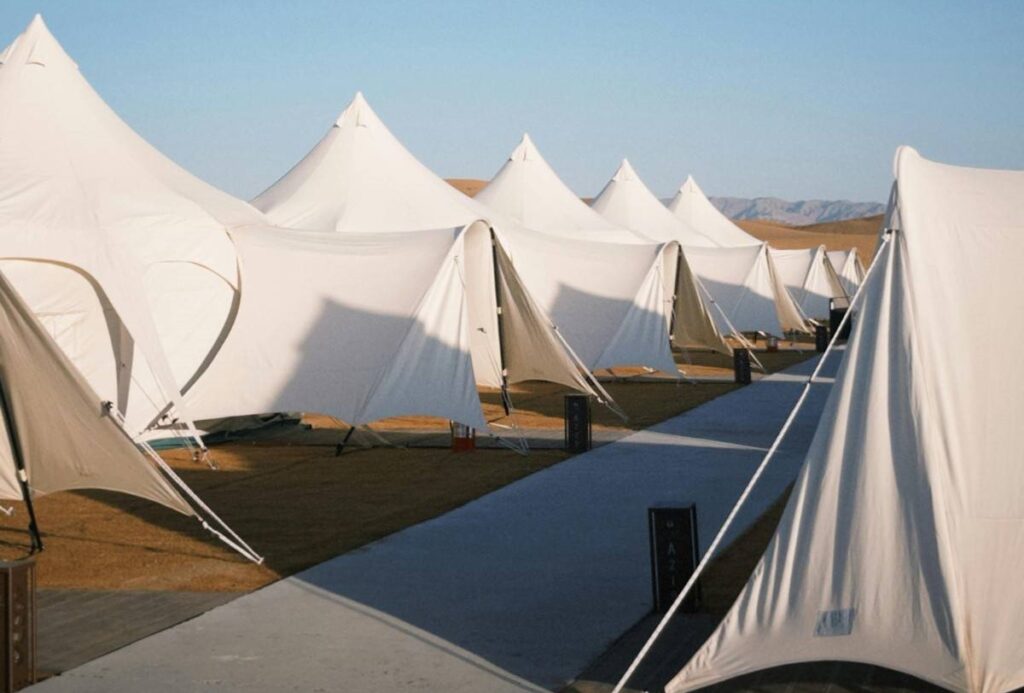
The three days of tashreeq, 11th, 12th, and 13th of Dhul Hijjah are not ordinary. They contain the spirit of gratitude, patience, and patience connected to the spirit of hajj.
Allah says: “Remember Allah during the appointed days.” (2:203)
We can find the importance of the days of Tashreeq in the following days of Tashreeq hadith.
The Prophet ﷺ said: “The days of Tashreeq are days of eating, drinking, and remembering Allah.” (Muslim)
The name of these days is based on the old practice of preserving the meat of a sacrificial animal by drying it under the sun. These days are linked to Mina, where pilgrims remain stoning the Jamarat and engaged in worship.
The 11th of Dhul Hijjah is among the greatest days of the year.
The Prophet ﷺ said: “The greatest day in the sight of Allah is the Day of Sacrifice and then the Day of Qarr.” (Abu Dawud)
The Day of Qarr refers to the 11th of Dhul Hijjah, when pilgrims stay in Mina.
Muslims should increase the dhikr as Allah says: “So remember Me; I will remember you.” (2:152)
Some of the Adhkar are:
After every obligatory prayer, Muslims repeat:
Allahu Akbar, Allahu Akbar, La ilaha illa Allah, wallahu Akbar, Allahu Akbar wa lillahil hamd.
This continues from Fajr on the 9th of Dhul Hijjah until Asr on the 13th according to the majority of scholars.
Eating and thanking Allah for his blessings is the core worship of these days, as the Prophet ﷺ said:
“They are days of eating, drinking, and remembering Allah.” (Muslim)
Many other acts of worship, such as donating food, giving charity, supporting orphans, participating in water projects, and maintaining the momentum of worship after Eid, can be done during these days.
The Prophet ﷺ said: “Do not fast during these days, for they are days of eating, drinking, and remembrance of Allah.” (Ahmad)
The fast during these days is prohibited except for those pilgrims who were unable to offer sacrifice during the Hajj.
Allah grants believers days of happiness and joy after the effort and sacrifice in Dhul Hijjah. This is the best practical teaching that worship in Islam is not restricted to prayers and sacrifice, but sharing blessings and thanking Allah, and using the blessings is also a core element of worship.
The journey of Hajj also reflects the journey of life. A believer restrains desires, remains patient through trials, and hopes for eternal reward in the Hereafter.
Allah says: “Eat and drink in satisfaction for what you put forth in days past.” (69:24)
Eid may end, but remembrance should not. These days help believers stay connected to Allah through dhikr, gratitude, family, charity, and sincere worship.