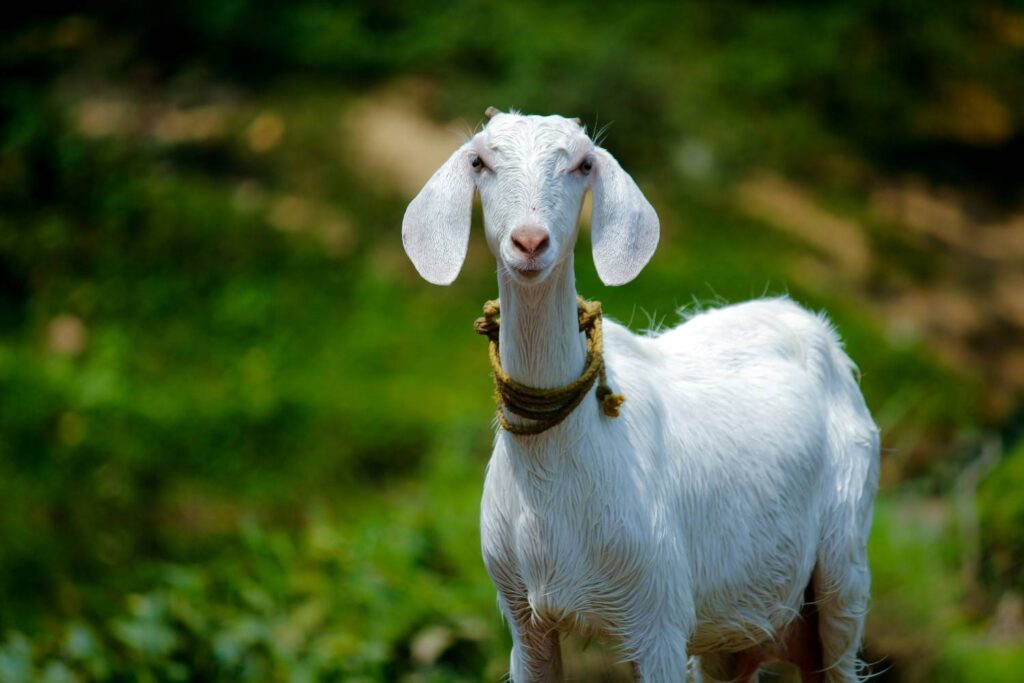
The significant act of worship in Islam is the ritual sacrifice performed during Eid al-Adha. It is known as Udhiyah in Arabic, which commemorates the sacrifice of Prophet Ibrahim, who was willing to sacrifice his son in obedience to Allah. When the act was carried out, Allah replaced his son with a ram before the sacrifice was carried out. This marks the timeless symbol of faith, trust, and submission. Hence, the sacrifice made on Eid al-Adha, along with the rules of Qurbani, is not merely symbolic but reflects the submission to Allah and compassion to humanity as the meat of the sacrifice is distributed among family, friends, and those in need.
The sacrifice is performed on specific days of Dhul Hijjah as these are the most sacred days and coincide with the completion of Hajj.
It is recommended that a person offering a sacrifice refrain from cutting hair and nails from the start of Dhul Hijjah until the sacrifice is complete.
The meat is divided into three portions, ensuring that the joy of meat extends beyond one’s own home to those in need.
Allah has stated in the Qur’an: “Their meat will not reach Allah, nor will their blood, but what reaches Him is piety from you.”
This shows that the purpose of the sacrifice is not merely meat and blood, but the piety and intention are the true essence of sacrifice. The sacrifice should be performed only for the sake of Allah and not to show off. True devotion is measured by obedience, compassion, and sincerity.

It is permissible to appoint someone to do a sacrifice on one’s behalf, such as through a charity organization. In such cases:
This is helpful for those who wish to support Muslims globally or who are unable to perform a sacrifice for some reason.
The sacrifice can be offered on behalf of
Making timely arrangements helps offer sacrifice, but if it is missed or not performed on specified days, then the charity is given as compensation according to scholars.
Eid al-Adha is a time of celebration; fasting is not permissible on this day. It includes gratitude towards Allah by following the acts:
While the overwhelming majority of Muslims follow the traditional understanding based on Qur’an and Hadith, some alternative views question the religious basis of these practices. However, mainstream Islamic scholarship affirms the legitimacy of Eid celebrations and the associated rituals as part of established tradition.