
Education and Poverty are two strongly related domains. Poor education and poverty often continue together when children lack access to quality schools and skill centers. A child who misses learning often misses far more than lessons. Limited access to books, school transport, uniforms, and safe classrooms often pushes many young learners away too early. When this happens, families remain trapped in the same financial struggles for years. Even one completed school journey can change an entire household’s future. Education and poverty reduction are closely linked because learning creates better opportunities for long-term financial stability.
Learning gives children and young adults not only theoretical but practical knowledge also that later helps them qualify for stable jobs, skilled work, and safer employment opportunities.
A literate person, even if the literacy is of primary level, can read, write, and calculate, which helps to make financial decisions better. The basic knowledge will help to manage spending wisely, avoid debt traps, and make better future decisions.
When parents see the long-term benefits of placing their children in classrooms with better employment opportunities rather than low-paid labor, they are more likely to keep them enrolled in school.
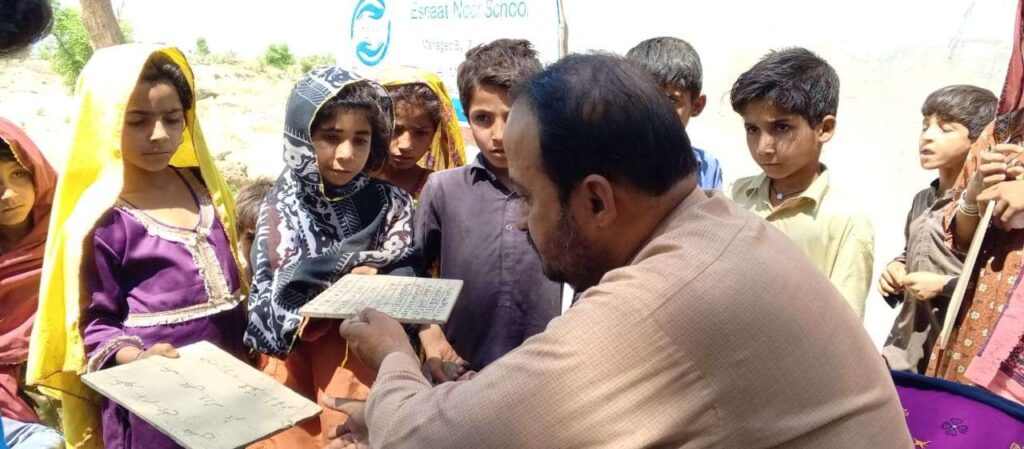
Schools often teach children a better way to live life. They teach self-hygiene, disease prevention, vaccinations, and a better-nutrition diet. This not only benefits the children’s health but also their families, thus lowering the financial burden of medical problems.
Parents with learning backgrounds usually encourage regular attendance, homework habits, and stronger ambitions in their own children. They also help their children in their studies, giving them personal attention. Students with educated parents tend to have better grades than those with uneducated parents.
Girls who continue their studies are more likely to make better household decisions, whether married or not. They gain self-confidence and thus stand against violence. Students who have educated mothers perform well in school and have a good upbringing.
In fact, according to UNESCO, we could cut the global poverty rate by more than half if all adults completed secondary education.
UNESCO reports that 251 million children worldwide remain out of school, showing how many futures are still at risk globally. Even if some of them came to school. The long-term effect will be enlarged as the next generations will be more likely to remain in school as well.
Education not only helps to gain employment opportunities, but it also changes family direction by creating hope, confidence, and long-term social mobility.
A literate population contributes to safer neighborhoods, better local leadership, and stronger participation in social development. The decrease of poverty, strengthen economical, social and political conditions of the state.
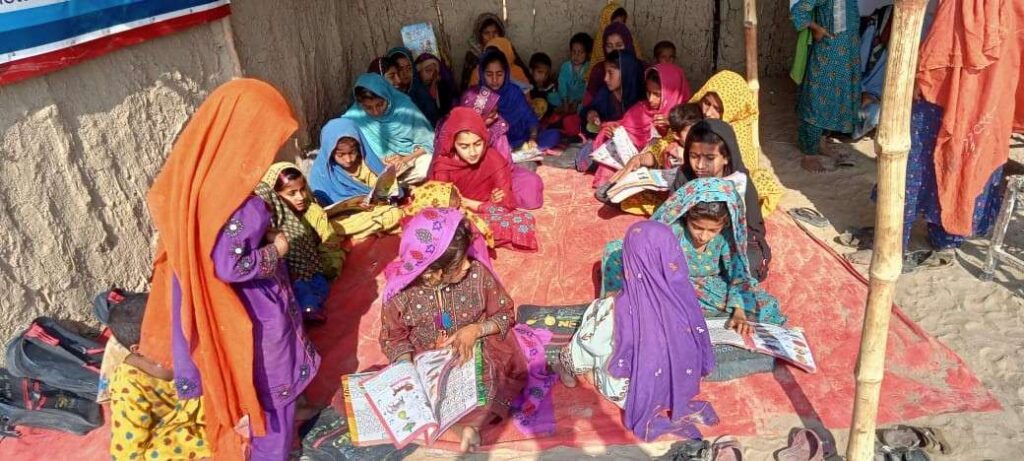
The major impact an economy has is through the empowerment of education in the poor sector. It is this sector that harms the economy. The poor remain trapped in a cycle of poverty. Education is the key that opens the door to success for the overall economy.