
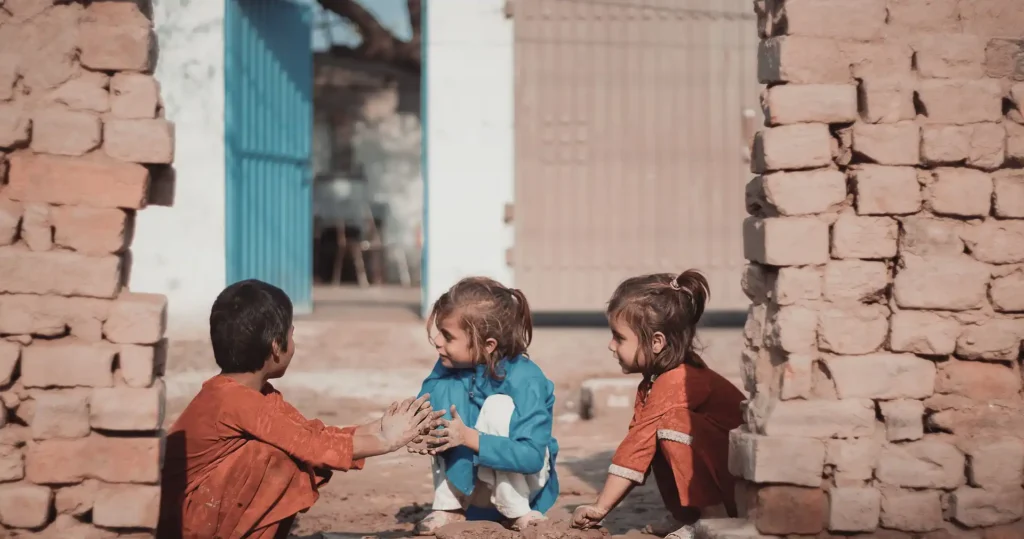
In Islam, orphanhood carries a deeper social responsibility, and an orphan is not just a child who has lost a parent. The Qur’an repeatedly emphasizes that orphans’ protection, dignity, wellbeing, and property should be safeguarded.
The Qur’anic term yatīm differs from the modern use of the term ‘orphan ‘; thus, the definition of orphan in Islam is different. In Islam, yatim traditionally refers to a minor child who loses their father before reaching maturity. This differs somewhat from the common modern use of “orphan,” which generally refers to a child who has lost one or both parents.
The life of Prophet Muhammad ﷺ gives this subject a deeply personal dimension. The father of the Prophet, Abdullah, died before his birth, and his mother, Aminah, died when he was six years old. Then his grandfather took him under his care; after the death of grandfather, he was taken care of by his uncle Abu Talib.
The Qur’an itself recalls this part of the Prophet’s ﷺ early life:
“Did He not find you an orphan and shelter you?”
Qur’an 93:6
Orphans appear repeatedly throughout the Qur’an. The subject of orphan is mentioned in 22 verses of the Holy Qur’an, covering themes such as charity, kindness, inheritance, protection of rights, and safeguarding property.
One early command is especially direct:
“So do not oppress the orphan.”
Qur’an 93:9
Apart from the physical needs, the financial rights of the orphans are also carefully protected in Islam.
The Qur’an warns guardians against approaching orphan property except in the proper manner and commands that it be returned when the child reaches maturity and sound judgment.
An orphan may be young, inexperienced, and dependent on adults. Islam therefore treats exploitation of orphan property as a serious wrongdoing.
Qur’an commands believers to giving orphans their property and not exchange their valuable possessions for inferior things. Qur’an gives an even stronger warning against consuming orphan wealth unjustly.
Caring for orphans is not only the duty of guardians or households; protecting them is also the duty of relatives, parents, and other members of society. The following Quranic ayah indicates the importance of caring for and helping orphans in Islam:
Worship Allah; join nothing with Him. Be good to your parents, to relatives, to orphans…”
Qur’an 4:36
A child needs more than financial provision. Orphan care can include stability, education, emotional support, guidance, health, protection, and a dependable environment where the child can grow. The Qur’anic approach therefore presents care as a continuing responsibility rather than a single act of assistance.
The Prophet ﷺ connected caring for an orphan with an extraordinary reward:
“I and the person who looks after an orphan and provides for him will be in Paradise like this.”
He then indicated the closeness of his index and middle fingers.
Sahih al-Bukhari 6005
This hadith on orphans in Islam indicates the rewards attached to the care of them. Even a small act of kindness will have immense rewards.
Islam encourages children to be cared for and protected, but it also preserves their biological identity. An adopted child does not automatically become a blood relative of the adoptive family, and lineage should not be deliberately changed. Questions of inheritance are likewise governed by Islamic rules rather than assumed through adoption.
Orphanhood is not only an issue found in distant countries or places affected by conflict. Communities can have vulnerable orphaned children living nearby who need trustworthy adults, positive role models, emotional support, education, and protection.
The Qur’anic picture is broader than individual charity. It points toward a community in which vulnerable children are protected, respected, and included.
This broader idea can be understood through the concept of kafālah—care, guardianship, responsibility, and support. It can involve families, relatives, neighbors, and the wider community working together for a child’s well-being.
Losing a parent can change a child’s circumstances, but it does not reduce the child’s dignity. The Qur’an’s repeated attention to orphans reminds Muslims that vulnerability should invite protection, not neglect.
Caring for an orphan therefore means more than meeting immediate needs. It means helping a child grow with security, dignity, belonging, and hope.
At Eshaat Foundation, sponsoring an orphan means more than simply providing food. Your support can help a child with education, healthcare, emotional well-being, regular care, and other essential needs—helping them grow with dignity, stability, and hope for a better future. Sponsor an orphan today and become part of their journey.