
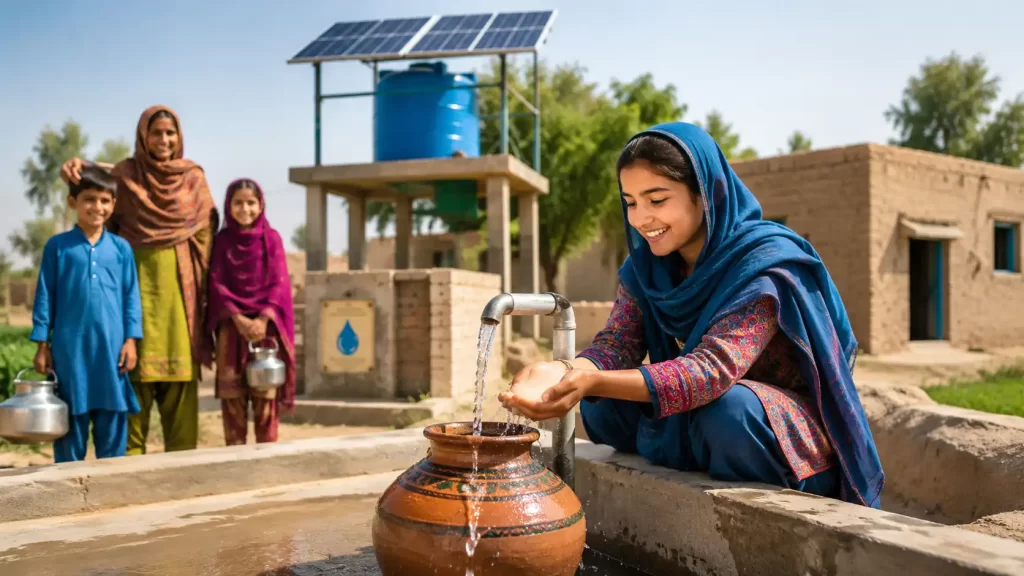
Access to safe water changes everyday life in ways many people rarely consider. Clean water projects help families improve health, education, and financial stability through reliable water sources. Eshaat supports sustainable initiatives that provide safe drinking water to underserved communities, creating long-term benefits instead of temporary relief.
Why Are Clean Water Projects Essential for Rural Communities?
Reliable access to water is a basic human need, yet many rural communities continue facing water shortages. Clean water projects provide practical solutions by bringing safe water closer to homes, schools, and public spaces.
When families no longer depend on unsafe sources, they experience better health and greater stability. Sustainable water systems also reduce the daily burden of collecting water from distant locations.
Communities benefit because reliable water access supports education, improves hygiene, and creates healthier living conditions. These improvements continue serving people for many years.
How Does Clean Water Improve Everyday Health?
Unsafe water exposes families to preventable illnesses that affect both children and adults. Waterborne diseases often interrupt school, work, and normal daily activities.
Access to safe drinking water significantly reduces these health risks. Families spend less time dealing with illness and more time focusing on education, employment, and community life.
Improved hygiene also becomes possible when clean water is available. Regular handwashing and safer sanitation contribute to healthier households throughout the year.
Why Do Children Benefit the Most?
Children are among the first to experience the impact of reliable water access. Better health allows them to attend school more consistently and participate actively in daily learning.
Many children in rural communities spend hours collecting water instead of studying. Nearby water sources reduce this responsibility, giving them more time for education and recreation.
Improved hydration and sanitation also support healthy physical development. These early advantages continue benefiting children as they grow.
How Do Water Projects Strengthen Local Communities?
Water access supports more than individual households. Entire communities become stronger when reliable water systems are introduced.
Local schools, community facilities, and healthcare services all benefit from dependable water supplies. Daily operations become easier, creating safer and healthier environments for everyone.
Water infrastructure also encourages community cooperation. Residents often work together to maintain shared resources, strengthening local responsibility and long-term sustainability.
What Types of Water Projects Create Lasting Results?
Different communities require different solutions depending on geography and local needs. Sustainable planning helps ensure each project remains effective over time.
Common water initiatives include:
| Water Project | Community Benefit |
| Hand pumps | Reliable access to groundwater |
| Community water systems | Safe water for multiple households |
| Water storage facilities | Better water availability during shortages |
| Water distribution points | Easier daily access for families |
Each solution addresses practical challenges while supporting healthier communities. Proper planning ensures these systems continue serving people well into the future.
Why Is Sustainable Water Access Better Than Temporary Relief?
Emergency water deliveries provide immediate assistance during difficult situations. However, permanent water infrastructure offers continuous benefits long after construction is completed.
Sustainable projects reduce dependence on temporary aid. Families gain reliable access to clean water without repeated emergency support.
Long-term solutions also improve community resilience. Reliable infrastructure helps villages better manage seasonal challenges while supporting everyday life more effectively.
How Do Water Projects Support Local Economies?
Reliable water access creates benefits beyond health. Families spend less time collecting water and more time working, studying, or managing household responsibilities.
Local farmers also benefit from dependable water sources where appropriate. Better access supports daily activities and reduces disruptions caused by water shortages. Communities gradually become more stable as essential resources become available.
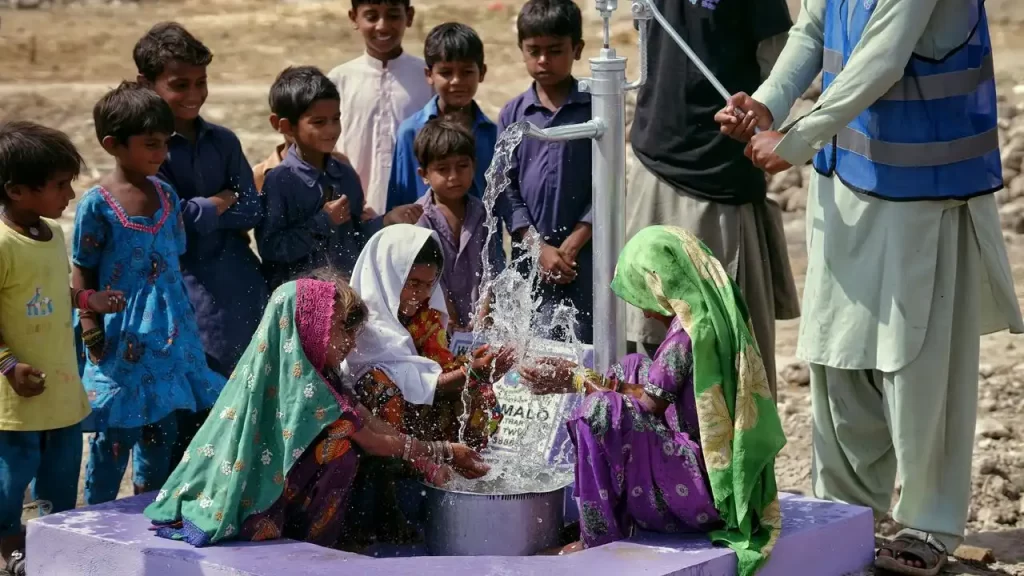
Improved infrastructure also encourages long-term development. When basic needs are met, communities can focus on education, livelihoods, and local progress.
Why Does Clean Water Matter for Women and Girls?
Women and girls often carry the responsibility of collecting water for their households. Long journeys to distant water sources consume valuable hours every day.
Nearby water facilities reduce this burden. More time becomes available for education, family care, and income-generating activities. Daily routines become safer and less physically demanding.
Reliable water access also supports dignity and personal well-being. Families can maintain better hygiene, creating healthier living environments for everyone.
How Are Water Projects Managed Responsibly?
Successful projects require careful planning before construction begins. Community needs, local conditions, and long-term maintenance all influence the final design.
Trusted charities work closely with local communities to identify suitable locations and practical solutions. This approach helps ensure water systems remain useful long after installation.
Regular monitoring also supports sustainability. Well-maintained facilities continue serving families while protecting the value of charitable contributions.
What Makes Sustainable Water Projects So Effective?
Sustainable projects solve long-term challenges rather than providing temporary assistance. Permanent water infrastructure delivers consistent benefits that continue for years.
Reliable water supplies improve public health, strengthen education, and reduce financial pressure on households. These improvements create positive changes that extend across entire communities.
Long-term planning also encourages community ownership. Residents become active participants in maintaining water systems, helping preserve valuable local resources.
What Lasting Benefits Do Rural Communities Experience?
Clean water creates opportunities that reach far beyond daily survival. Better health supports regular school attendance, stronger family life, and improved economic participation.
Communities also become more resilient during seasonal challenges. Reliable water access reduces uncertainty while improving overall quality of life.
Over time, these improvements contribute to stronger local development. Families gain greater confidence because essential resources remain available close to home.
Long-Term Benefits of Clean Water Initiatives
| Area of Impact | Community Benefit |
| Safe drinking water | Better health and fewer waterborne illnesses |
| Education | Improved school attendance for children |
| Hygiene and sanitation | Cleaner and healthier living conditions |
| Time savings | Less time spent collecting water |
| Community development | Greater long-term stability |
| Sustainable infrastructure | Reliable access for future generations |
Why Does Every Water Donation Matter?
Many people believe only large donations create meaningful change. In reality, every contribution helps expand access to safe water for families facing daily hardship.
Even modest support contributes to projects that improve health, education, and community well-being. When donors give consistently, sustainable initiatives become possible.
Responsible giving also encourages long-term planning. Communities receive infrastructure that continues serving families instead of short-term assistance alone.
Building Healthier Communities Through Clean Water
Clean water projects continue creating lasting improvements for families across Sindh and Balochistan, Pakistan, by supporting health, education, hygiene, and sustainable community development. Through responsible planning and transparent humanitarian efforts, Eshaat helps deliver reliable water solutions that improve everyday life and provide rural communities with a stronger foundation for the future.