
Each year, there comes a time after Ramadan when we feel the longing to reconnect with Allah, as we did during Ramadan. The first 10 days of dhul hijjah brings that gift for us.
Dhul Hijjah is the last month of the Islamic calendar. It is a time when one of the five major Ibadah is performed, that is, Hajj. Millions of Muslims gather from all over the world. However, those who are not travelling to Mecca still have an enormous chance to do their Ibadah at home and gain immense rewards.
These days are special because they carry multiple acts of worship, fasting, prayer, remembrance, charity, and sacrifice, all within a single period. Especially fasting 10 days of dhul hijjah cariies many rewards, so it should be kept as a must.
We should fast 10 days of dhul hijjah as it carries immense rewards.
The Prophet ﷺ said: “Fasting on the day of Arafah expiates the sins of two years: the past one and the coming one.” (Sahih Muslim)
It is also reported: “The Prophet used to fast on the first nine days of Dhul Hijjah.” (Sunan Abu Dawood)
The Prophet ﷺ said: “Charity extinguishes sins as water extinguishes fire.” (Jami` at-Tirmidhi)
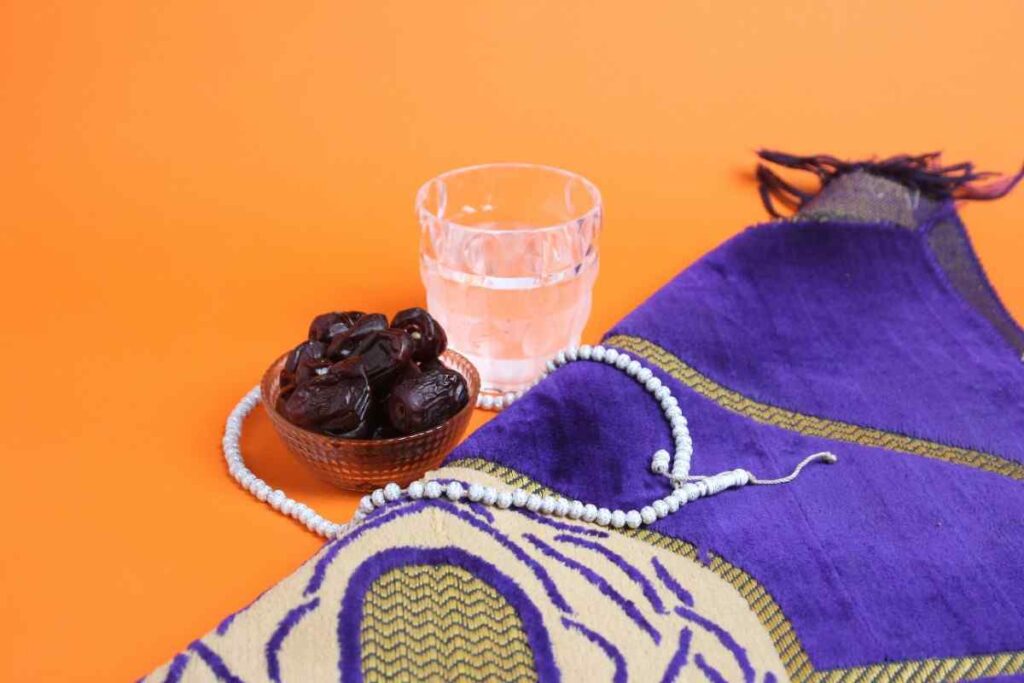
The most important act of sunnah is to increase all kinds of righteous actions in these days.
The Prophet ﷺ said: “There are no days on which righteous deeds are more beloved to Allah than these ten days.” (Sahih al-Bukhari)
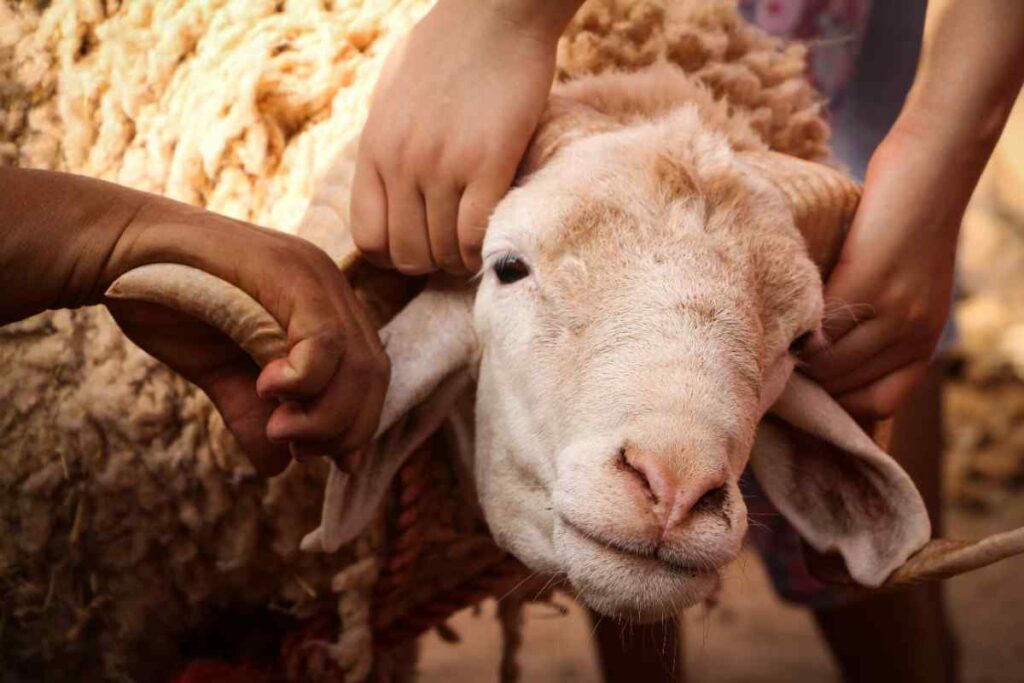
Offering sacrifice on Eid al-Adha is a strong sunnah on the 10th of Dhul Hijjah for those who can afford it. This reminds us of the willingness of Prophet Ibrahim to sacrifice everything for the sake of Allah. Everyone who can afford it should take part in it.
The Prophet ﷺ said: “When the ten days begin, and one of you intends to offer a sacrifice, let him not cut his hair or nails.” (Sahih Muslim)
We should increase in the remembrance of Allah. The sunnah act of remembrance is reciting Tahlil, Takbir, and Tahmeed. One should recite it a lot these days, as prescribed by our Prophet.
The Prophet ﷺ said: “…so recite a great deal of tahleel (La ilaha illAllah), takbeer (Allahu Akbar) and tahmeed (Alhamdulillah).” (Musnad Ahmad)
Also, Allah swears by these days in the Qur’an: “By the dawn; and by the ten nights.” (Qur’an Surah Al-Fajr)
The Prophet ﷺ said: “Whoever wishes that his provision be increased and his life be extended, should maintain the ties of kinship.” (Sahih al-Bukhari)
One of the necessary acts is to seek repentance in abundance.
Allah says: “And turn to Allah in repentance, all of you, O believers, that you might succeed.” (Qur’an Surah An-Nur)
The Prophet ﷺ said: “The best prayer after the obligatory prayers is the night prayer.” (Sahih Muslim)
For Muslims living busy lives, these 10 days are the best chance to reset spirituality. Whether one takes a few extra moments for dua or a few more bucks of charity, reconnecting with family, or simply being more mindful of daily prayers, every effort counts.