
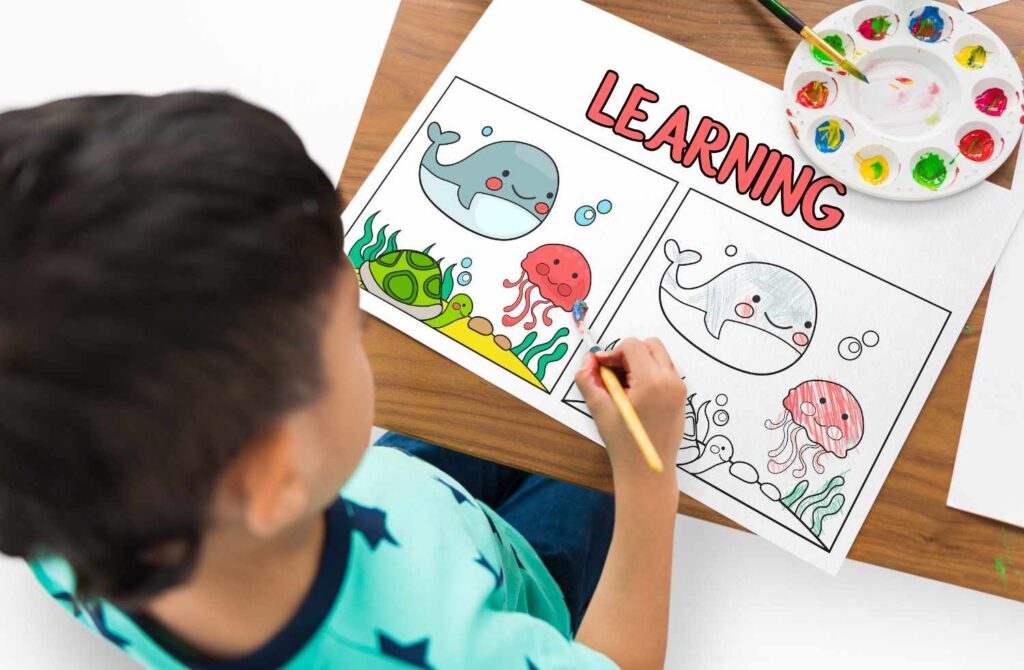
Education is, no doubt, the first step that eliminates poverty. Early childhood education effects long term in learning and life. It has a long-term impact in eliminating poverty as it doesn’t eradicate it from the person who is gaining knowledge, but also from the generations to come after him. Recent research shows that a child who is educated at an early age will be a source of benefit to his parents, siblings, and other relatives, not only by means of money but also by physical and mental health, and other means.
For a family living on a tight budget, having one child get a quality education is often the first glimmer of hope. With better learning comes the potential for better-paying jobs and, of course, the ability to make more informed decisions about just about everything, health, work, and daily life. The early childhood education journal impact factor is great.
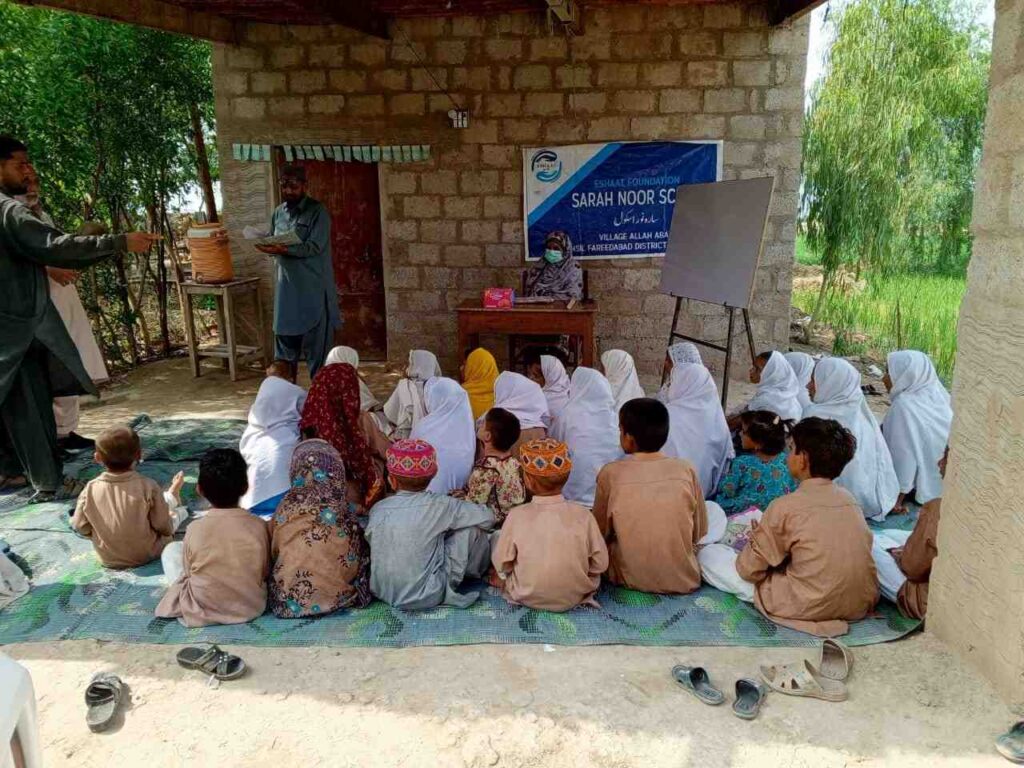

Experts insist that the first years are formative – and I mean really formative – for language skills, confidence, and problem solving. Kids who get a head start with early learning programs tend to be better equipped when they do get to school, and that edge they have can keep them ahead of the pack right on through.
But early childhood education is more than just better grades. Early learning can impact educational success and affect how a kid handles their emotions, interacts with others, and develops the resilience they need to bounce back from the ups and downs of life. And all those skills don’t just pay off in school – they also influence their success in the workforce, in their relationships, and in their overall financial stability as adults. However, early childhood doesn’t mean toddlers. Well! They are too small to go to school.
When children study, parents often become more engaged too. Families begin valuing books, routines, and school attendance, creating a home environment where learning becomes part of daily life. When a low-class family sees the impact of education on their child and the social respect they get, it motivates them to somehow educate other children also.
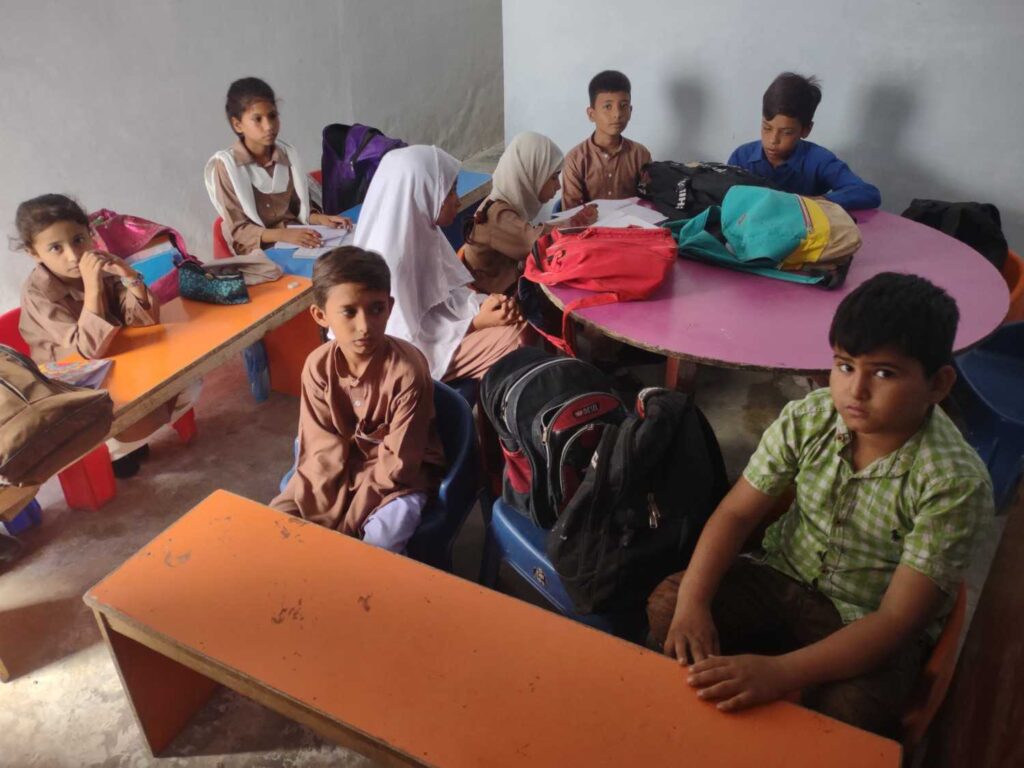
Even simple support like books, preschool kits, or teacher guidance can change a child’s direction. Many current education programs focus on giving basic learning tools to vulnerable communities. Some even went to these communities to gift children with learning items to motivate them to go to school and support children’s education in poverty.
An educated child often helps siblings with homework, explains information to parents, and inspires younger family members. This creates confidence that education is possible for everyone in the household.
When one family becomes stronger through education, communities also improve. Educated children often grow into adults who contribute positively through work, leadership, and social responsibility, and one can look at it from the other side, too. These educated adults will probably not be involved in crimes, thus the stability of the country is prolonged.
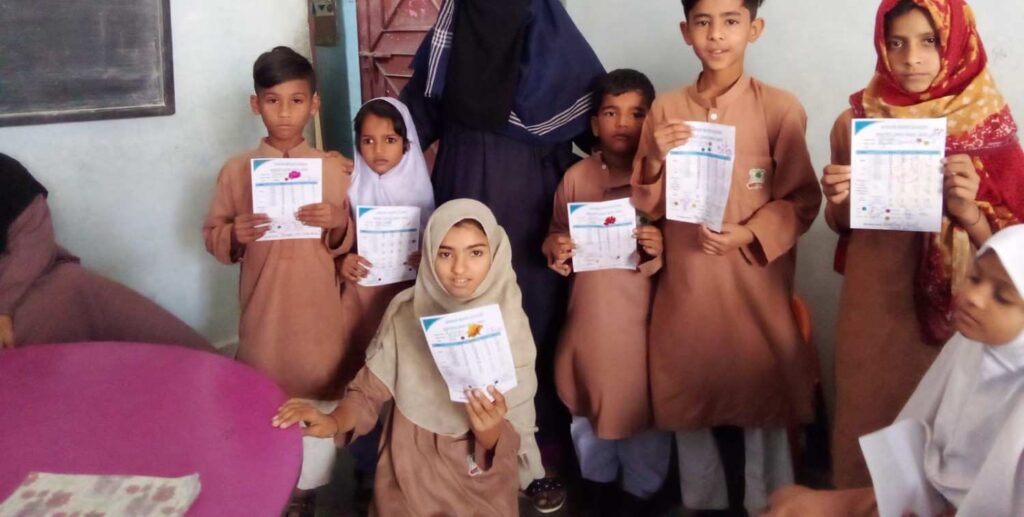
One child’s education is never limited to one classroom seat. It influences family thinking, economic stability, and future opportunities. In many homes, educating one child becomes the beginning of lasting change for generations.