1. Education in Underprivileged Areas
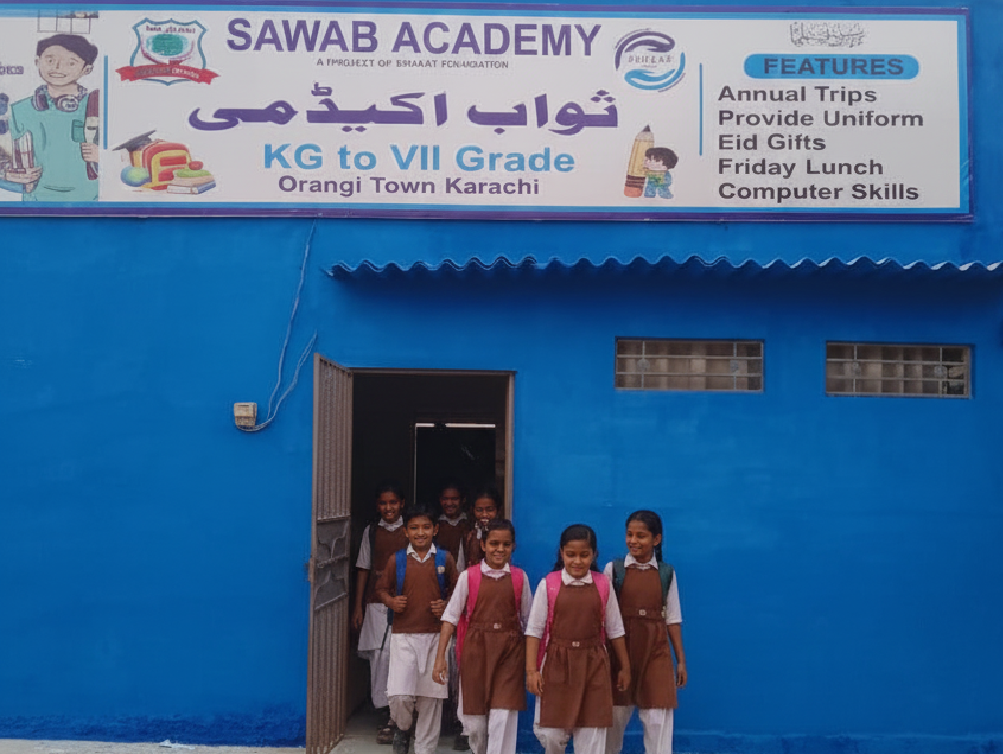
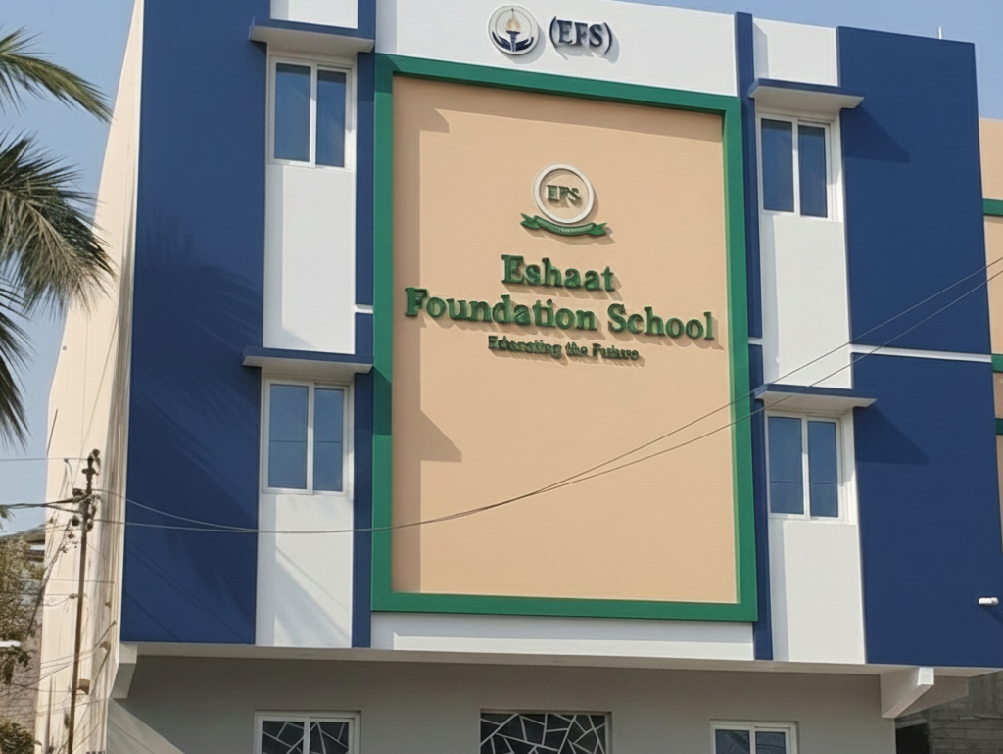
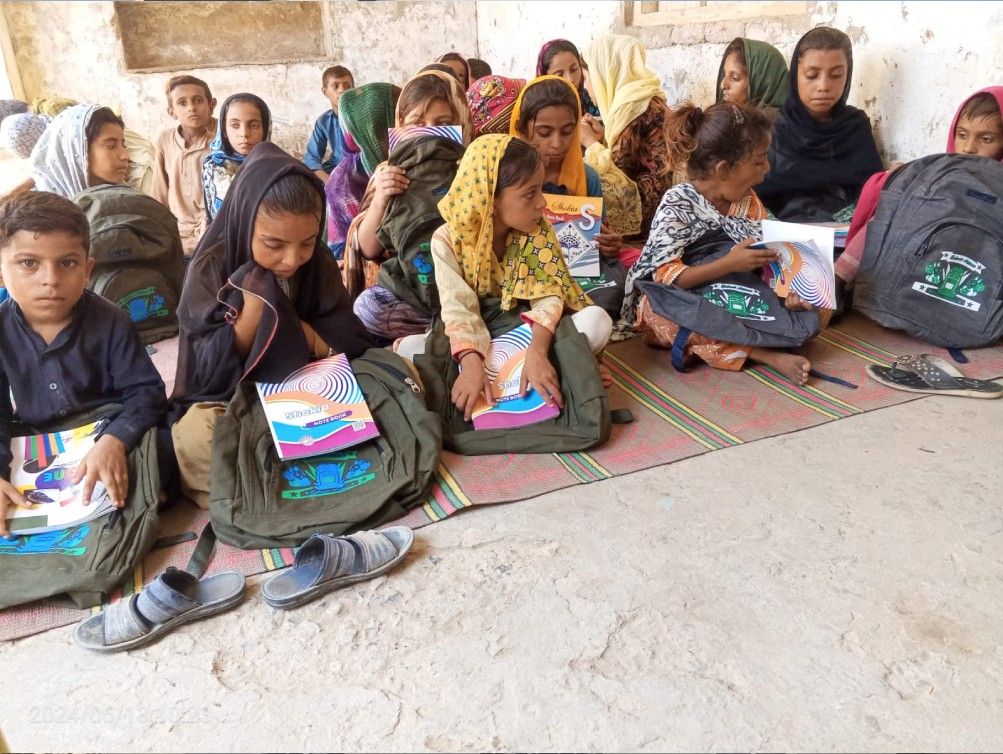
Many global organizations, such as UNICEF, emphasize the importance of education for children in poor communities; however, they are unable to reach areas where we operate. Eshaat Schools are established in underserved and underprivileged communities where many families live in poverty. In these areas, parents often have the desire to educate their children but lack the financial resources and access to quality schools. As a result, many children remain out of school or receive very limited education.
2. Quality Education in Neglected Regions
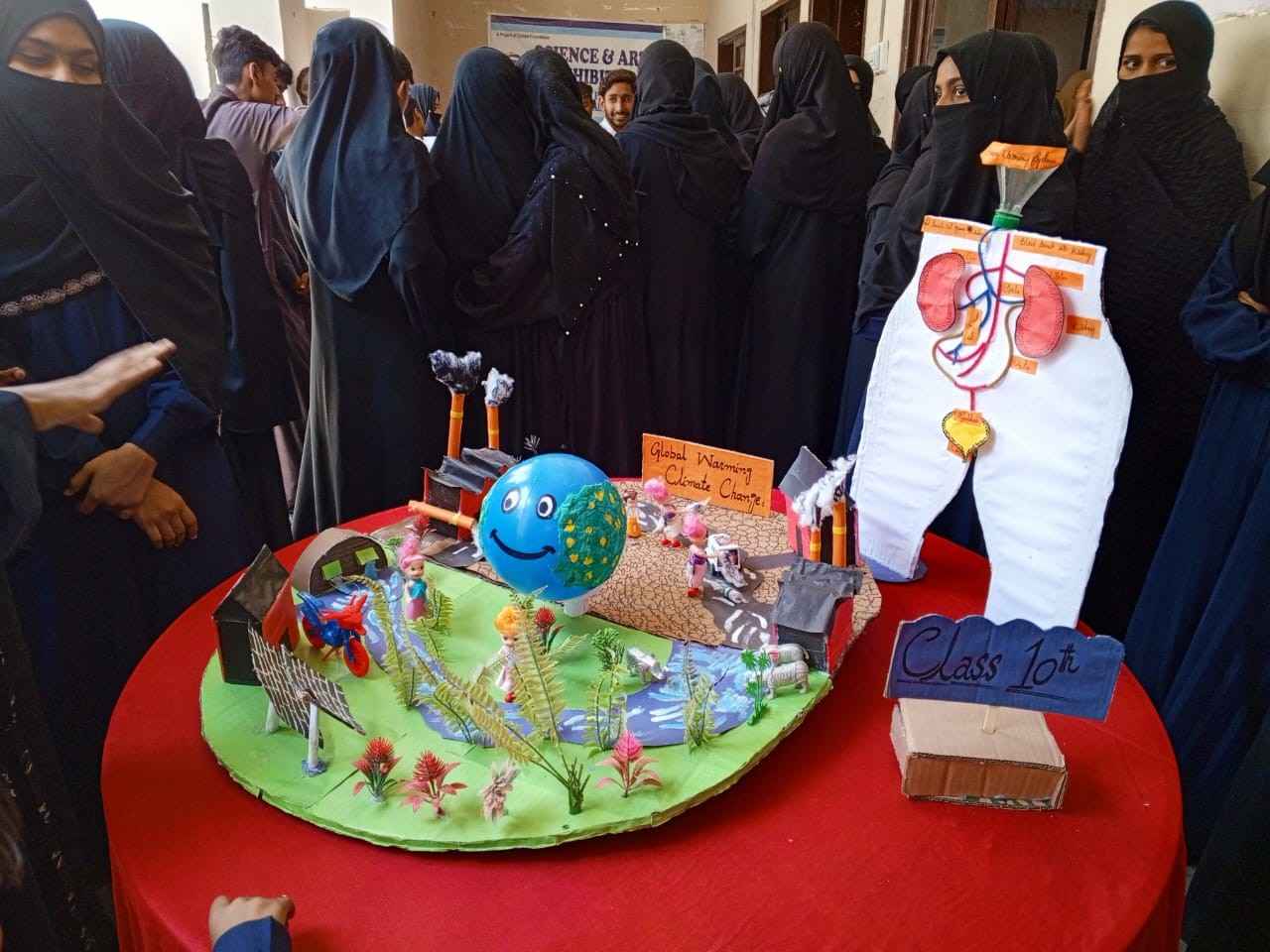
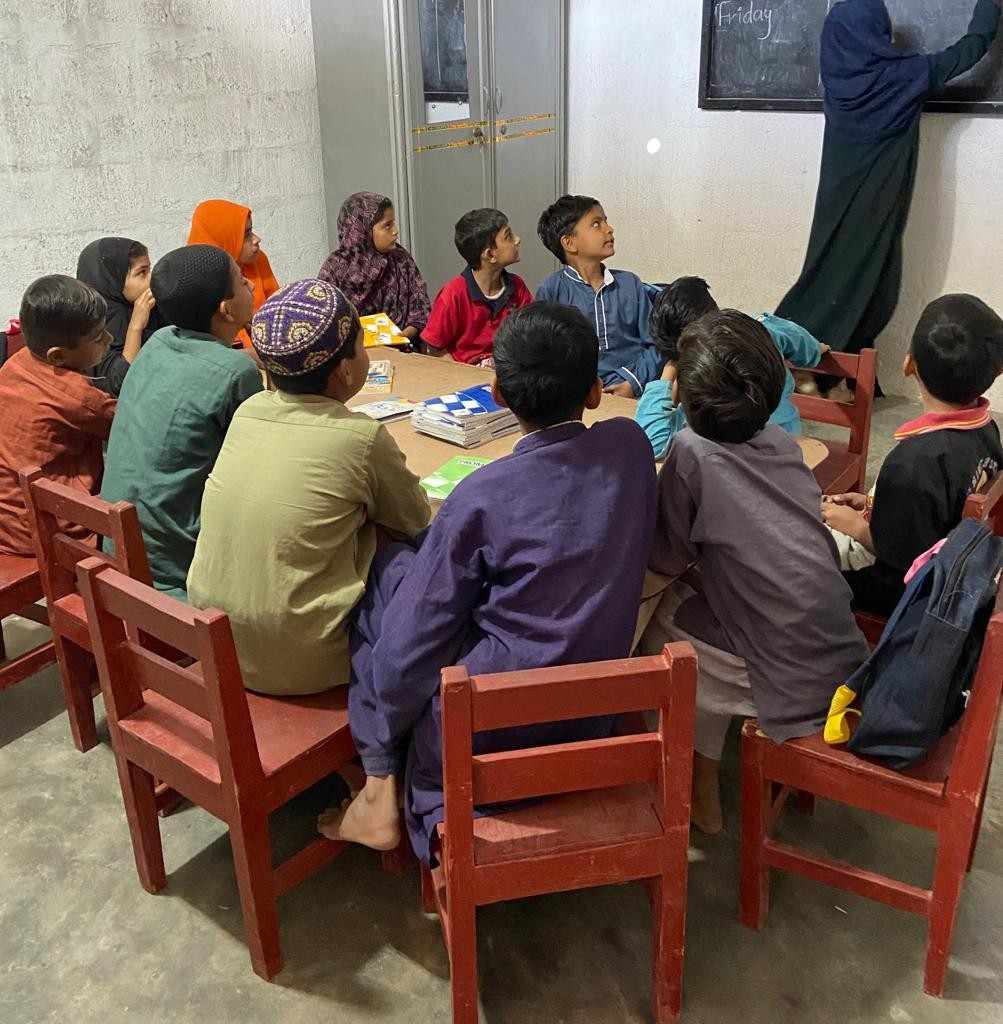
We maintain high-quality education through dedicated teachers, structured learning, and strong academic supervision. In many of the surrounding areas, government schools exist but often lack consistent teaching, discipline, and academic focus. Because of this, students do not receive the level of learning they deserve. Eshaat Schools work to address this issue by ensuring a strong educational environment where students can learn effectively.
3. Scholarships for Orphans
Eshaat Schools actively support orphan children by offering scholarships to those who are extremely vulnerable. Many orphans face severe financial hardships and are at high risk of dropping out of school. Through these scholarships, Eshaat ensures that such children are able to continue their education without the burden of fees.
4. Focus on Extracurricular Development
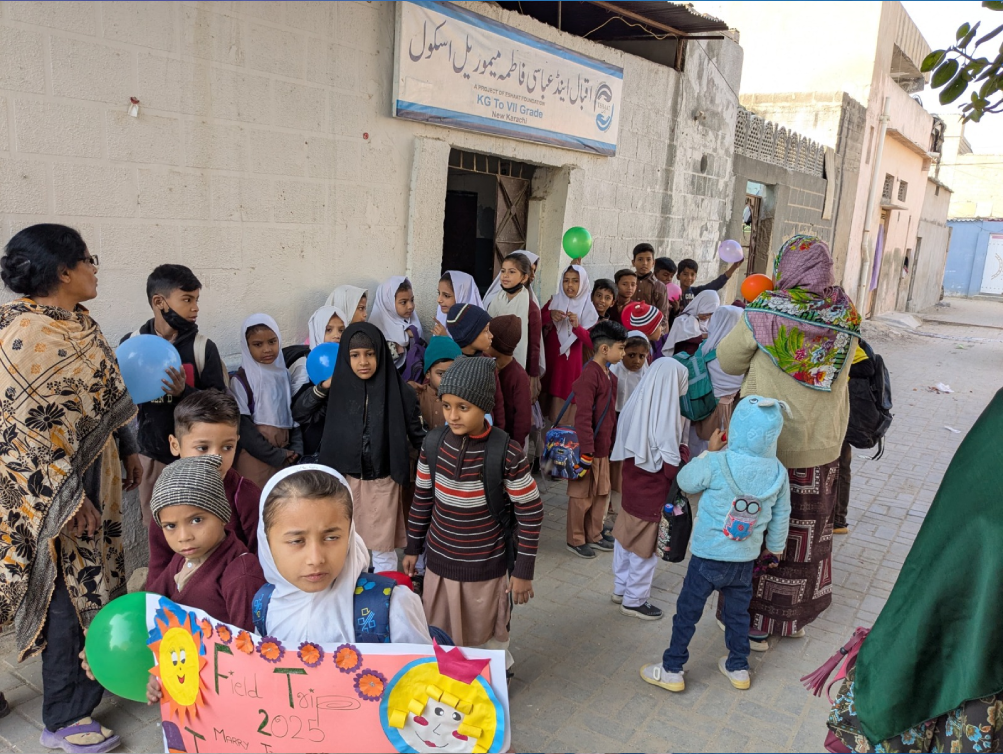
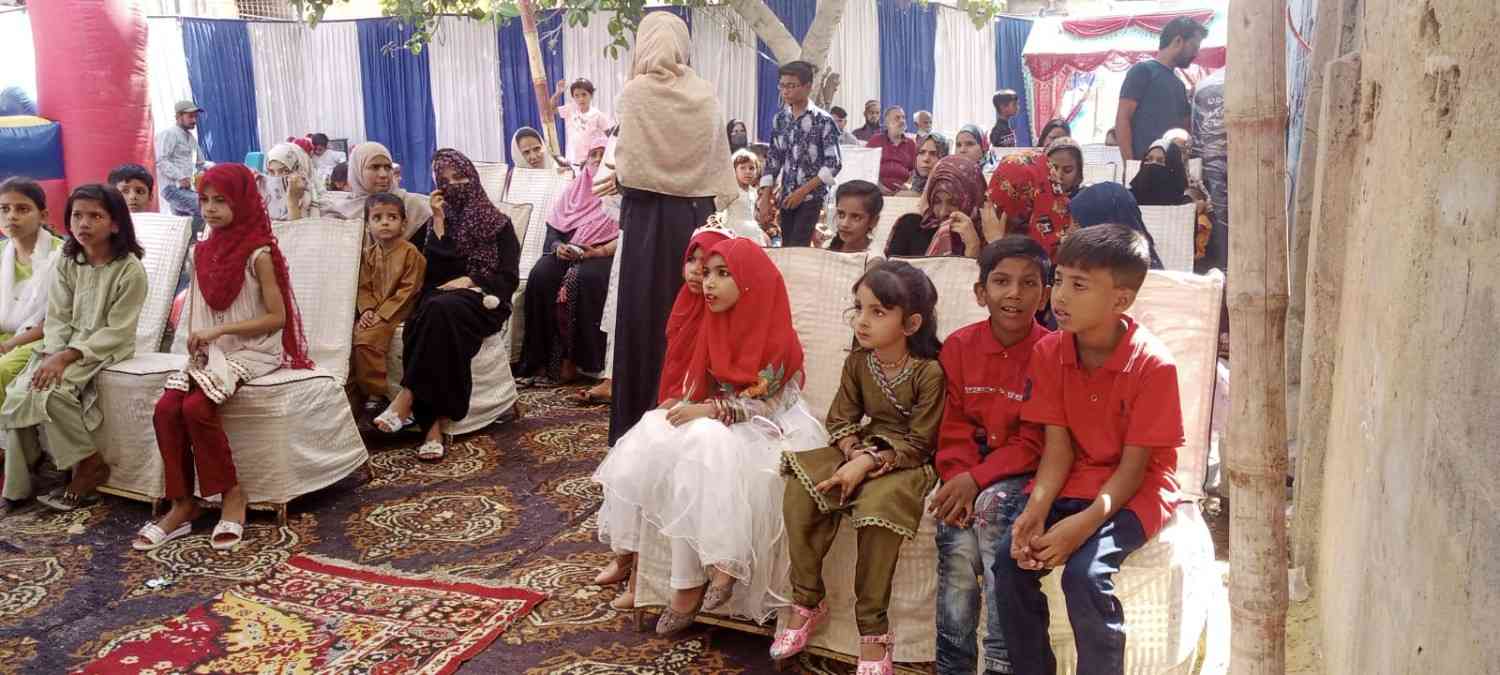
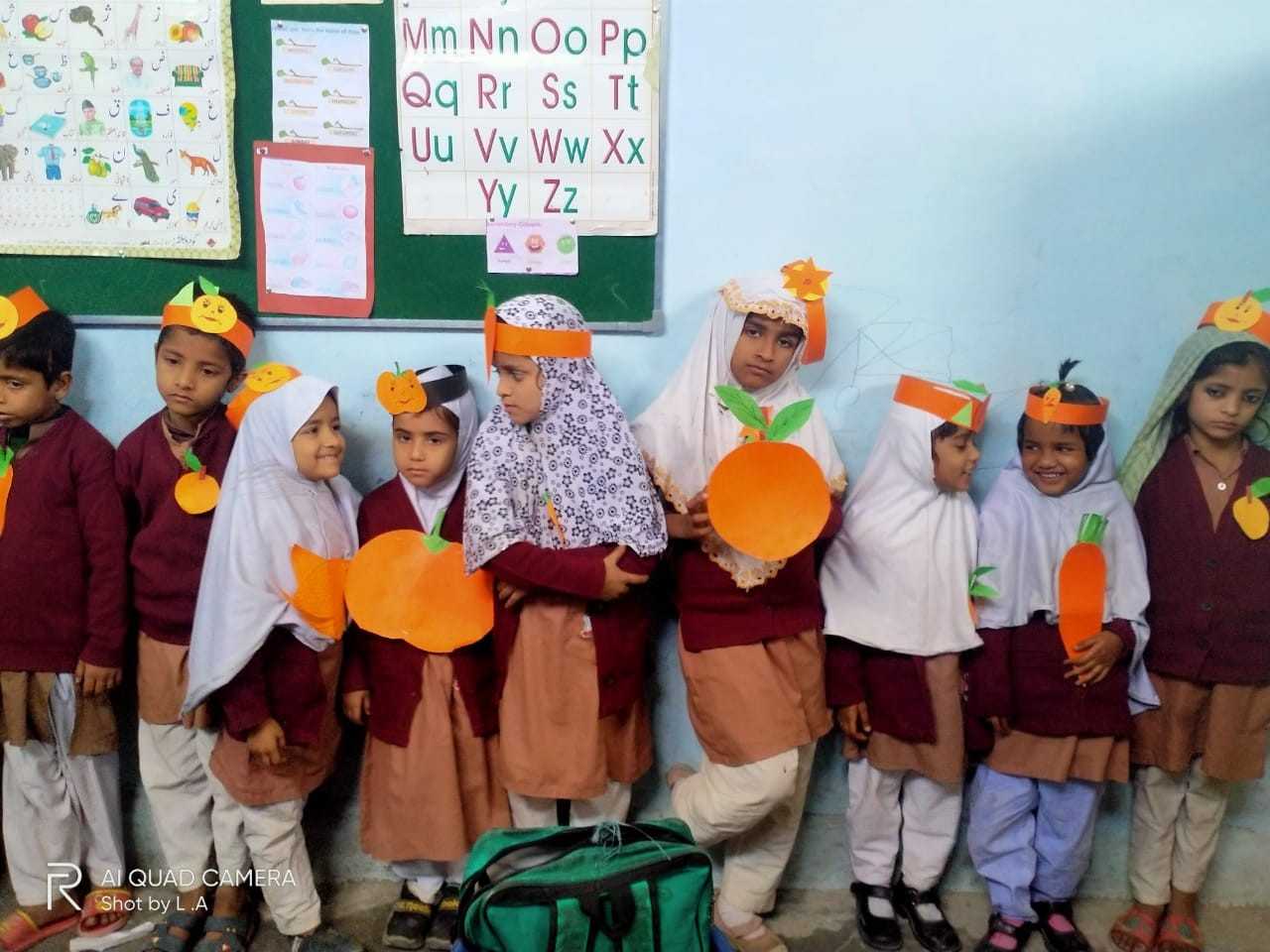
Education at Eshaat Schools is not limited to textbooks alone. The schools encourage students to participate in play, sports, and other extracurricular activities that contribute to their physical, emotional, and social development. . This balanced approach ensures that children develop into well-rounded individuals rather than focusing solely on academic performance.
5. Character Building and Moral Values
Another important aspect of Eshaat Schools is the emphasis on character building and positive values. Students are taught discipline, respect, responsibility, and the importance of good manners. By nurturing ethical behavior alongside academic learning, the schools aim to develop responsible members of society who can contribute positively to their communities.
.